Project reference
22-0134-034-MOZ-RERD2-irrig
Contract duration
2026
Budget
36,540
43,482.60 (VAT incl.)
Countries
Mozambique
Keywords
Energy, Infrastructure, Monitoring & Evaluation, Rural and urban development
Evaluation of the Renewable Energy for Rural Development Phase II Plus (RERDII+) Irrigation Component, Mozambique
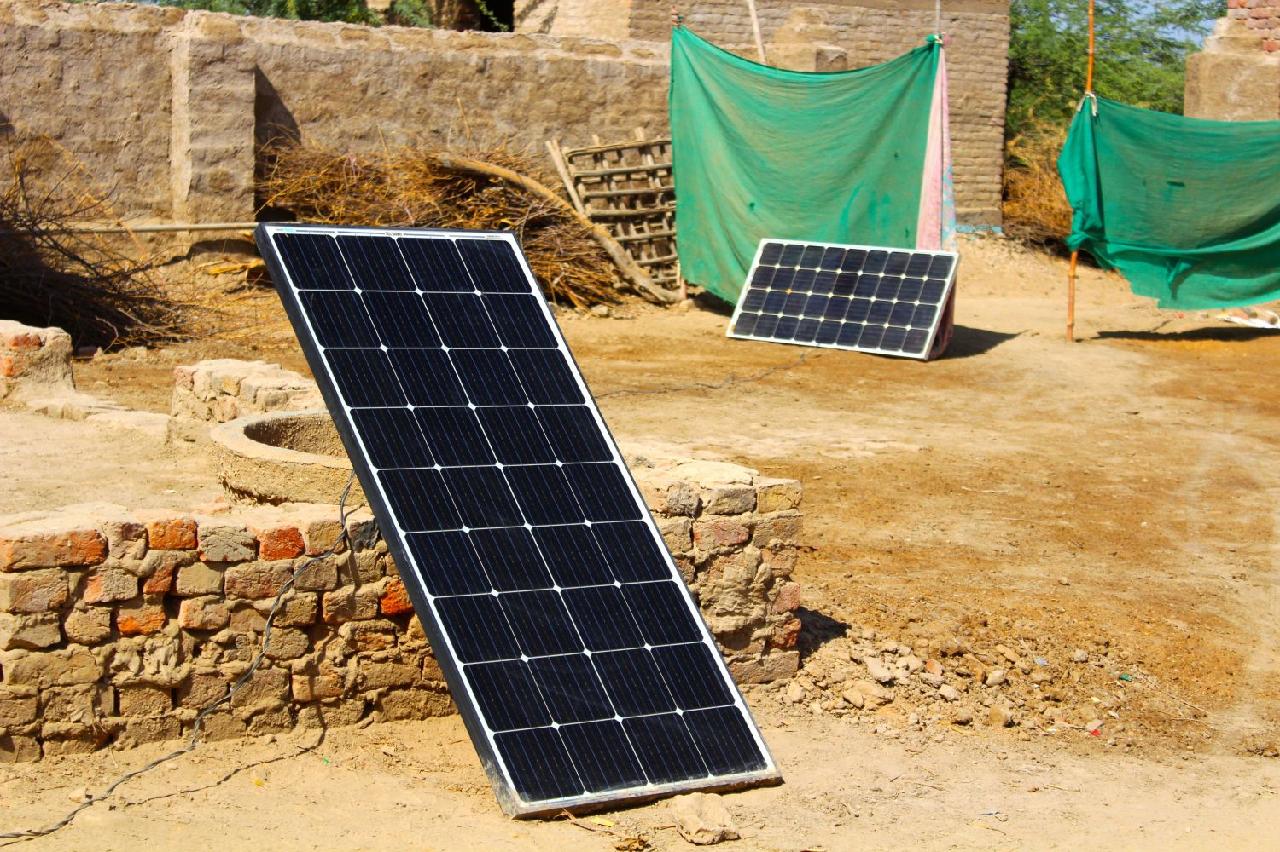
This End-Term Evaluation (ETE) of the Renewable Energy for Rural Development Phase II Plus (RERDII+) irrigation component was both summative and formative in nature, with the overall purpose of assessing project performance, identifying results and generating learning for future solar-powered irrigation programming in Mozambique. The intervention was designed to strengthen agricultural productivity, climate resilience and rural development through the deployment of Solar-Powered Irrigation Systems (SPIS), while supporting farmer capacity development, institutional strengthening and market development for solar irrigation technologies.
The evaluation covered the implementation of the irrigation component implemented by Enabel in partnership with the National Irrigation Institute (INIR). The intervention focused on the provinces of Manica and Zambézia and aimed to promote sustainable uptake of solar irrigation through infrastructure deployment, financing and co-financing mechanisms, engagement with private suppliers, institutional capacity building and knowledge generation for future scaling.
Thematically, the evaluation assessed project performance against the OECD-DAC criteria of relevance, coherence, effectiveness, efficiency, impact and sustainability, while also examining cross-cutting issues including gender equality, youth inclusion, support to vulnerable farmers and environmental sustainability. Particular attention was given to efficiency and sustainability, in line with the Terms of Reference.
The evaluation involved key stakeholders at national, provincial and local levels, including Enabel, INIR, provincial and district authorities, private suppliers, financial actors, service providers and beneficiary farmers. The methodology combined a desk review of programme documentation, interviews with institutional and sector stakeholders, field visits in Manica Province, beneficiary consultations and case studies documenting farmer-level effects and lessons learned.
Through this approach, the evaluation assessed the relevance of solar irrigation to Mozambique’s agricultural and climate-resilience priorities, examined early effects on production, livelihoods and resilience, analysed financing and market development mechanisms, reviewed institutional and private sector roles, and identified lessons and recommendations to support future scaling of solar irrigation systems. The evaluation found that RERDII+ successfully demonstrated the potential of solar irrigation for rural development but highlighted the need for stronger financing mechanisms, institutional anchoring, post-installation support and market ecosystem development to ensure long-term sustainability.
The evaluation covered the implementation of the irrigation component implemented by Enabel in partnership with the National Irrigation Institute (INIR). The intervention focused on the provinces of Manica and Zambézia and aimed to promote sustainable uptake of solar irrigation through infrastructure deployment, financing and co-financing mechanisms, engagement with private suppliers, institutional capacity building and knowledge generation for future scaling.
Thematically, the evaluation assessed project performance against the OECD-DAC criteria of relevance, coherence, effectiveness, efficiency, impact and sustainability, while also examining cross-cutting issues including gender equality, youth inclusion, support to vulnerable farmers and environmental sustainability. Particular attention was given to efficiency and sustainability, in line with the Terms of Reference.
The evaluation involved key stakeholders at national, provincial and local levels, including Enabel, INIR, provincial and district authorities, private suppliers, financial actors, service providers and beneficiary farmers. The methodology combined a desk review of programme documentation, interviews with institutional and sector stakeholders, field visits in Manica Province, beneficiary consultations and case studies documenting farmer-level effects and lessons learned.
Through this approach, the evaluation assessed the relevance of solar irrigation to Mozambique’s agricultural and climate-resilience priorities, examined early effects on production, livelihoods and resilience, analysed financing and market development mechanisms, reviewed institutional and private sector roles, and identified lessons and recommendations to support future scaling of solar irrigation systems. The evaluation found that RERDII+ successfully demonstrated the potential of solar irrigation for rural development but highlighted the need for stronger financing mechanisms, institutional anchoring, post-installation support and market ecosystem development to ensure long-term sustainability.
Partners
Particip (Lead), Technopolis Group