
Nuestros proyectos
Explore la experiencia de Particip en proyectos desarrollados en distintos países, sectores y ámbitos de especialización.
Nuestras referencias ofrecen una visión general de las misiones finalizadas y en curso, incluidos sus objetivos, alcance geográfico, duración y valor contractual.
Mostrando 1–10 de 305 referencias
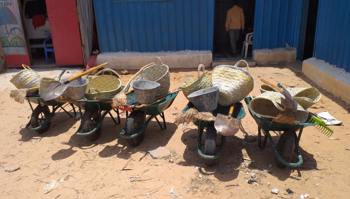
Third Party Monitoring Evaluation and Learning (TPME&L) and Accountability to Affected Populations (AAP) in Somalia
- 2021 – 2029
- de 5 a 10 millones de €
- Somalia
The current objective is to improve the performance of the Swiss HoA programme. This will be achieved thanks to a broad shift in posture, achieved through four highlevel outcomes: (a) improved monitoring and risk governance of the SDC HoA programme, (b) increased benefits for the most vulnerable people, including in hard-to-reach areas, through better targeting by Swiss Agency for Development and Cooperation (SDC), (c) increased number and improved quality of partnerships with local actors, and (d) improved state-led national development plan (NDP) and sustainable development goals (SDG) monitoring.
To better achieve this it is believed that third-party monitoring should be applied at the project, portfolio and strategy level, backed up by community feedback mechanisms to increase accountability to beneficiaries, and implementing partner risk assessments, audit field spot checks, in addition to training and capacity building of implementing partners. SDC will therefore be able to improve the tracking of its projects in Somalia, and also to extend the mix of aid modalities, and allow the management of projects to focus to a greater extent on risk management and trust.
Through its Whole-of-Government Regional Cooperation Strategy Horn of Africa (CS Horn of Africa) 2018-2021, Switzerland has the following priorities:
- Geographic target: At risk regions of the Horn of Africa, mainly Somalia (including Somaliland), and the Arid and Semi-Arid Lands (ASAL) of Kenya (i.e. North-Eastern Kenya) and Ethiopia (i.e. South-Eastern Ethiopia). Switzerland aims at stronger focusing its intervention to rural and harder-to-reach areas.
- Population target: pastoralists, agro-pastoralists, most vulnerable parts of population (including displacement-affected communities). Switzerland aims at better including marginalized and disadvantaged groups, such as minority groups in Somalia.
- Thematic target: Governance, Food Security, Health, Protection/Migration.
- A new Regional Cooperation Programme for the Horn of Africa will be developed in 2021 for the period 2022-25. It is expected that only minor adjustments to the mentioned geographic, population and thematic targets will occur.
Project Components and Phases. FRAP is made up of the following elements:
a) Third-Party Monitoring (TPM) (subject of this tender) and a Digital Platform
b) Support to the International NGO Safety Organization (INSO)
c) Possibly support to the Somalia UN Risk Management Unit (UN RMU)
d) Possibly direct or indirect support to the National Bureau of Statistics of Somalia
As part of the first element, the Kulmis Support Team (KST) works with SDC, implementing partners and digital platform developers to ensure all SDC M&E tools and IP progress data are accurately transferred to the digital platform. This task also including supporting implementing partners during this transaction process, as providing trainings, supporting on filling and uploading specific progress monitoring tools, undertaking the initial QA-QC in data management, etc. In addition to that, KST regularly provides feedback to developers to ensure the digital platform is user friendly and reflects the accurate data, along with regular updates on data protocol to be adopted.

Inclusive Lesotho - monitoring & evaluation FWK
- 2025 – 2029
- menos de 500.000 €
- Lesotho
Overall objective of the project is to enhance the effectiveness and efficiency of the “Inclusive Lesotho” Action’s implementation by setting up a tailored monitoring & evaluation framework for the programme. The “Inclusive Lesotho” Action aims to achieve systemic, participatory improvements in the way elections are conducted by promoting targeted civic education, enhancing transparency measures, and supporting broad-based participation, particularly among underrepresented groups such as women, youth, people with disabilities, and those experiencing multidimensional poverty, as well as to improve the voter registry and to enhance the capacity of the Independent Electoral Commission to administer fair, transparent, and inclusive elections through targeted capacity building.
Specific objectives of the monitoring & evaluation assignment are as follows:
- To design and implement a monitoring system at action level, based on the action’s logical framework, on the basis of the agreed data and information collected in collaboration with the project implementers (International IDEA and UNDP);
- To set up a learning mechanism that provides feedback to involved stakeholders at regular intervals, and allows progressive adjustments of the programme when needed;
- To provide a mid-term review of the programme, including support to the implementing partners in the definition of a sustainability/exit strategy.
EU Framework Contract - Lot 16 Evaluation at Intervention Level
- 2023 – 2028
- más de 10 millones de €
- Global
Under lot 16 – Evaluation at intervention level, Framework Contractors support the European Commission services (HQ and EUDs) in carrying out external and evidence-based evaluations of EU external action in partner countries and regions worldwide, and globally.
Evaluations include the following types: ex-ante, mid-term, final or ex-post. These types reflect the fact that an evaluation can take place at different stages of EU external actions and determine the principal evaluation purpose and intended use. It also includes cases in which a single evaluation covers elements with different temporal scopes and counterfactual impact evaluations.
To date, the following evaluations and assessments were implemented or are currently implemented:
- Evaluation of ADELANTE (final / ex-post phase 1 and interim second phase)
- Evaluation of CBRN risk mitigation interventions - IcSP
- Final evaluation of the program to support the empowerment of women and the protection of the rights of women and girls (FEMFI) in Djibouti
- Final Evaluation of the two projects strengthening social cohesion between displaced populations and host communities in Burkina Faso and Niger (WFP)
- Final Evaluation of Decision No. 042-166 (AMCC+) "Strengthening Governance and Climate Resilience in Chad"
- Mid-term Evaluation of the Health Sector Support Programme in Tunisia "Essaha Aziza"
- Final Evaluation of the China – EU School of Law Programme
- Final Evaluation of the Health Care Access and Supply Strengthening Programme in DRC and Support for the Preparation of the Future EU Health Programme in the Democratic Republic of Congo
- Final Evaluation – IBM III in Lebanon
- Mid-term Evaluation of PAGFAM in Mauritania
- Evaluation of BIC Africa
- Final Evaluation of FPI Crisis Response in North-East Syria
- Final Evaluation of the 'Technical Assistance to the Implementation of the EU-Angola Dialogue Facility'
- Final Evaluation of Investment Support to the Wadi Al Arab Water System II Project
- Mid-term Evaluation of the "United for Peace and Security" Programme
- Final Evaluation of Promove Comercio - Building Competitiveness for Exports
- Mid-term Evaluation of the "Support to the Formalization of the Economy including Social Protection and Support to Public Finance Management" Programme
- Mid-term Evaluation of the Blue Economy Programme
Services for EU’s external action 2023 - Strategic evaluations (Lot 17)
- 2024 – 2028
- más de 10 millones de €
- Global
Lot 17 - Strategic evaluations supports the European Commission services in conducting external, evidence-based evaluations of EU external action in partner countries, regions worldwide, and globally.
Strategic evaluations can encompass various scopes, including:
- Evaluations of EU external action support in a single country or a group of countries/region
- Thematic and sectoral evaluations with global coverage or focussing on a group of countries/region(s)
- Evaluations of EU external financing instruments (e.g. NDICI, IPA III)
- Evaluations of financial instruments (e.g. blending and guarantees at country/region(s) or
instrument level)
- Evaluations of implementation modalities (e.g. budget support operations with a country,
trust funds at country/region(s) or instrument level)
- Evaluations of the EU’s strategic relationship with specific implementing partners or types of partners (e.g. implementing partners under indirect management)
- Evaluations of Joint programming/Team Europe initiatives
- Other types of evaluation assignments (e.g. Meta Evaluations, Systematic Reviews)
These evaluations are considered complex because they comprehensively analyse EU policies, strategies, and actions from design to implementation, assessing the combined results of both spending activities (such as a portfolio of interventions (projects and programmes) and non-spending activities (such as policy dialogues) over a significant period, typically at least four years.
Evaluations are carried out through individual assignments defined and contracted through ‘Specific Contracts’.

Monitoring of civil society assistance in the Eastern Partnership region
- 2022 – 2027
- de 2 a 5 millones de €
- Armenia, Azerbaijan, Belarus, Georgia, Moldova, Ukraine
Systematic analysis of the monitoring data should result into recommendations to improve the implementation and design of assistance to civil society and to the EU monitoring to reach the overall objective to contribute to civic resilience and grassroots democracy in the Eastern Partnership. Trainings should be developed and conducted for a sustainable learning experience. The data and analysis should also be presented for communication on the achievements of the civil society assistance and contribute to various reporting exercises.
The outputs of the monitoring on the ground and analysis should enhance the ability of EU project managers to contribute to regular reviews of action progress and operational plans. The concise feedback resulting from the monitoring of an action should allow EU project managers to have more assurance in assessing the content and quality of monitoring reports from CSOs which would allow them to suggest corrective measures or to support efficient and effective implementation. Further to this, the analysis provided should guide future programming
The expected outputs of this contract are as follows:
- Monitoring system of EU-funded civil society projects that will complement existing EU systems of project monitoring maintained and improved;
- Analysis and knowledge sharing products to support decision-making generated and disseminated;
- Capacity of EU project managers, CSOs staff to monitor and implement projects strengthened.
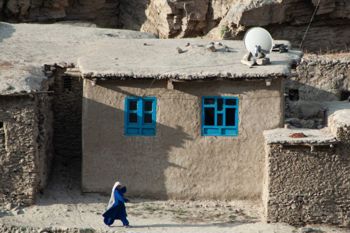
Long Term Arrangement for the Provision of Third-Party Monitoring Services to UNICEF Afghanistan
- 2023 – 2027
- menos de 500.000 €
- Afghanistan
The overall objective of our services is to ensure the highest standards of programme delivery across Afghanistan. Given the unique challenges posed by the country's diverse and hard-to-reach regions, TPM aims to:
- Collect reliable field-level data
- Provide independent verification of programme outcomes
- Identify critical implementation issues
Key tasks TPM undertakes include:
- Training and deploying field monitors as well as ensuring they are equipped with the necessary skills and knowledge to perform their duties effectively
- Ensuring quality assurance
- Implementing supervision and quality checks, including GPS-embedded reports and photos, to validate field monitoring activities
- Submitting detailed monthly reports
By doing so, it is aimed to inform programme planning, improve delivery, and maintain accountability and transparency in all UNICEF initiatives.

Strengthening the national regional linkages in SADC (SNRL) - Consultancies on regional integration based on SADC policies, facilitation of events, communication and visibility
- 2023 – 2027
- de 2 a 5 millones de €
- SADC region
The overall objective of the project "Strengthening the national regional linkages in SADC (SNRL)" is to support the Southern African Development Community (SADC) in its efforts to promote regional integration in the member states (MS) for the benefit of the population in the SADC region.
The project is aligned with SADC's regional strategy (the Regional Indicative Strategic Development Plan 2020-30, RISDP) and supports its implementation.
In particular, it supports SADC and its MS on implementing Chapter 5 of the RISDP focusing on the strategic management objectives of the RISDP. By strengthening SADC as a regional organization and by supporting the implementation of the regional agenda RISDP, the SNRL project aims to facilitate the regional integration in the SADC region.
The objective of this contract is the provision of high-quality short-term expert (STE) advice in various topics relevant for enhancing the capacities of national stakeholders to vigorously and effectively pursue in their respective countries the regional integration protocols, policies and strategies of SADC.
The individual consultancy assignments are developed between GIZ and its partners and are based on a joint process and methodology aimed at identifying the needs in the SADC region and within individual member states.
The assignments focus on the scaling-up of best practices and should aim to share experiences and knowledge throughout the region (for example by aiming to standardize products developed as part of the assignment).
The following outputs are expected as a result of project implementation:
- ++Output 1:++ The institutional framework for the implementation of regional integration in the SADC region has improved in the member states;
- ++Output 2:++ Monitoring and evaluation systems for the implementation of regional integration are in place in selected member states;
- ++Output 3:++ The strategic communication capacities of SADC and member states for high profile communication around SADC activities and operations are strengthened.
Implemented projects include the following (project number and title):
- P1/2023 Consultancy to Support the SADC Secretariat to Develop and Pilot the Protocol Compliance Mechanism and Monitoring of the Trade Protocol;
- P2/2023 Perception Survey on the status of SADC regional integration in the Member States;
- P3/2023 Facilitator/Presenter and Group Work Moderators for Two Regional Workshops Supported by SNRL;
- P4/2023 Development of Model Law for the Establishment of SADC National Committees in Member States;
- P5/2023 Consultancy to develop communication products for publication purposes from the deliberations of SADC Member States at the Regional Learning and Exchange Symposium in Lesotho;
- P6/2023 Consultancy to develop presentation on the Status of SADC National Structures and their Financing at the Regional Learning and Exchange Symposium in Lesotho;
- P7/2023 Facilitation Operational Planning SNRL;
- P8/2023 Consultancy Services to Support the Publicity Products of The SADC Summit Public Lecture- Angola;
- P9/2023 Consultancy Services to Provide Rapporteuring of the Proceedings of The SADC Summit Public Lecture- Angola;
- P10/2023 Development of Peer Learning & Review Mechanism for national SADC coordination;
- P11/2023 Shadow monitoring on the extent of implementation of the SADC RAIP 2017 – 2022;
- P12/2023 Editing & Design of Eswatini’s New Industrial Policy;
- P13/2023 Capacity Building on SADC Regional Integration and Project Management for SADC National Contact Points Junior and Middle Staff;
- P14/2023 Updating and Finalising the Status of the SADC National Committees Desk Review Report;
- P15/2023 Consultancy Services to Support the Documentation of Proceedings at the SADC Integrated Regional Electronic Settlement System 10th Anniversary Celebrations;
- P16/2023 Consultancy Services to Support the Publicity Products of the SADC Integrated Regional Electronic Settlement Systems 10-year anniversary;
- P17/2023 Consultancy Services to Support the Rapporteuring of the SADC Integrated Regional Electronic Settlement Systems 10-year anniversary;
- P18/2023 Scoping Studies South Africa and Zimbabwe;
- P19/2023 Scoping Study Madagascar;
- P20/2023 SNRL II Operational Planning Workshop.
- P21 Team Retreat Facilitatior
- P22 Communication Guidelines
- P23 Lesotho National Policy on Regional Economic Integration
- P24 Scoping study and development of SA documentary
- P25 Production of SADC video podcasts
- P27 Development of a Resource Mobilisation Plan for the SNC of the Kingdom of Eswatini
- P28 Ops Manual, OP & Capacity Building Training on RI & PM - Eswatini
- P29 Communications Capacity Building in Botswana
- P30 SNRL II Team Retreat Refresher
- P31 CB& Strengthening Lesotho's SNCs - Project Management
- P33 Establishment of South Africa’s SADC National Committee
- P34 Graphic Design for Promotional Material - SADC Public Lecture in Zimbabwe
- P35 Rapportuering of the SADC Public Lecture Zimbabwe
- P36 Madagascar National Policy on SADC RI
- P37 Capacity Building & Strengthening SNC in Madagascar
- P38 CB & Training on SADC RI & PM for Zambia’s SNC staff
- P39 CB on Resource Mobilisation & Development of Resource Mobilisation Strategy in Zambia
- P40 Regional CB on Resource Mobilisation
- P41 Model Law on the Establishment of SNCs
- P42 Policy briefs on SADC-RTGS; role/significance of the SADC public lectures in promoting regional cooperation and integration in the SADC region.
- P43 Fact Sheets on SADC Protocols
- P44 Communications Strategy and Social Media Dissemination Plan for BGCIS in Botswana
- P46 RI Orientation & Induction for the SNC in Eswatini
- P47 SNRL II Operational Planning Workshop 2025
- P48 Rapporteur for Tanzania Event on SADC RAIP 2017-2022 Shadow Monitoring Report
- P49 Rapporteur for Malawi Event on SADC RAIP 2017-2022 Shadow Monitoring Report
- P50 Policy Brief, Factsheet & Press Release On he AML (Anti-Money Laundering) & CFT
- P51 Madagascar Resource Mobilisation Strategy and Action Plan
- P52 Piloting SNC Peer Learning and Review Mechanism (S-PLRM)
- P53 Establish Baseline Values on SADC Parliamentary Forum’s Operational Efficiency
- P54 Revise SADC Draft Communication, Awareness and Visibility Strategy
- P55 NSA Baseline Indicators
- P56 Interpretation Assignments
- P57 Facilitation of Consultation Workshop SNRL
- P58 Endline Perception Survey
- P60 Piloting M&E Framework for the SADC Protocol on Trade
- P61 SADC Parliamentary Forum M&E on Gender
- P62 Photography, Videography and Livestreaming _ Launch of SA's SNC
- P63 SADC PRU Comms Strategy Launch
- P64 Status of SNCs in the Member States
- P65 Training of Botswana SNC
- P69 Facilitation of SPLRM 1st Cycle
- P70 SPRLM Budget and Finance Plan
- P71 CfP Support
- P72 Facilitation of SNC Guidelines
- P73 SADC PF Publication and Dissemination
- P74 SADC PF Gender Assessment
- P75 SADC PF Mid-Term Evaluation
- P77 Review of Public Hearing
- P81 Communication Documentary Launch

Complementary assistance for the PAR SRC - Assessment and monitoring of SBS implementation
- 2024 – 2027
- de 500.000 € a 1 millón de €
- Serbia
The specific objective (Outcome) of this contract is to assess compliance of the national administration with the General and Specific Conditions for the release of fixed and variable tranches as set out in the Appendix for Budget Support for Public Administration Reform and to provide recommendations to the EU Delegation to the Republic of Serbia concerning the value of the tranches to be disbursed.

Technical Assistance for Results Oriented Monitoring in Türkiye – Phase IV
- 2025 – 2027
- de 2 a 5 millones de €
- Türkiye
The overall objective to which this action contributes is to ensure efficient and effective use of IPA assistance in Türkiye by improving the performance of interventions through strengthening design, monitoring and evaluation systems.
The specific objectives of this contract are as follows:
- To improve the design and implementation of IPA assistance in Türkiye
- To improve the visibility and public perception of IPA assistance by promoting the results and achievements of IPA projects.
The expected outputs of this contract are as follows:
- Output I to Outcome 1: ROM services provided in Türkiye were updated and extended.
- Output 2 to Outcome 1: Capacities of Turkish institutions dealing with ROM services were increased.
- Output 1 to Outcome 2: Results and achievements of IPA Projects were collected and disseminated through different means.
Stakeholders: Central Finance and Contracts Unit (CFCU), National IPA Coordinator (NIPAC/DEUA), National Authorising Officer (NAO) – Ministry of Treasury and Finance, Delegation of European Union to Türkiye (EUD), National Programming Compliance Coordinator, Managing Authority (MA) (IPA III), Intermediate Bodies for Policy Management (IBPM) (IPA III), Operating Structure (OS) (IPA II), Sectoral Monitoring Committees (SMC), Contractors, End beneficiaries

Evaluation of WFP Pacific multi-country strategic plan (2023-2027)
- 2026 – 2027
- menos de 500.000 €
- ACP (Pacific)
This independant evaluation of WFP Multi-Country Strategic Plan (MCSP) in the Pacific assesses the strategic positionning, added-value and results of WFP operations in the region from 2022 to 2026.
The evaluation serves the double purpose of accountability (performance and result assessment) and learning (why certain results occurred or not, lessons and evidence for decision-making). It is envisioned that the evaluation will inform the design of the new MCSP for the Pacific, which is scheduled for Executive Board consideration in November 2027.
MCSP key sectors and activities include:
- Emergency preparedness and response
- Supply chains and logistics
- Institutional capacity strengthening
Cross-cutting themes included: Gender equality and empowerment of women (GEEW), inclusion, accountability to affected populations (AAP), protection, nutrition integration, environment, humanitarian principles.
The evaluation employs a mixed-method approach that triangulates qualitative and quantitative data from a variety of sources. For this purpose, the evaluation team is conducting interviews with different stakeholders including WFP staff at HQ, regional and country level, WFP cooperating partners, donors, UN agencies, and government entities.