
Our projects
Explore Particip’s project experience across countries, sectors and areas of expertise.
Our references provide an overview of completed and ongoing assignments, including their objectives, geographic scope, duration and contract value.
Showing 701–710 of 980 references
Multi-Country Results Oriented Monitoring (ROM) in Western Balkans and Turkey
- 2015 – 2019
- € 5 – 10 million
- IPA
Results Oriented Monitoring (ROM) reviews aim to assist the European Commission’s services and EU Delegations in monitoring of and reporting on EU financed development and cooperation projects and programmes in third countries through independent reviews of the progress of their implementation and the achievement of project results. Compared to the ROM reviews conducted over the past decade, ROM reviews will proceed on a number of reforms that aim to improve the quality and the focus in coverage of the ROM reviews and take into account the high level of devolution reached over the past decade for project preparation and monitoring tasks to EUDs at field level.
The ROM reviews and support missions to be carried out are the following:
- ROM reviews of projects signalled as having implementation problems and where EC services have identified a need for an outside expert review to assist in addressing the problems, identifying causes and options for solution and making recommendations. The reviews may take place during the first year of implementation but also at a later stage, depending on when the project or programme is identified as having implementation problems.
- ROM reviews of other projects for which such ROM reviews may have a particular usefulness, in particular for projects which could not be included in the EUDs’ planning of field visits or for which the necessary sector expertise at EUD level may not be sufficiently available at a given point of time or for innovative projects.
- ROM reviews of BS programmes: in countries where a BS programme is signalled as having implementation problems, a ROM review may be organized focusing on the programme in question for the sector specific aspects but also covering the Public Financial Management (PFM) and macroeconomics aspects of all BS programmes financed by the EU in the country. During the first contractual year, ROM reviews for BS programmes will be focused on a limited number of programmes with the aim to test the approach and methodology developed.
- ROM support to end of project reporting on results (outputs and direct outcomes), including for BS programmes. These ROM support missions are to take place no later than the first quarter of each calendar year to assist EC services and EUD in strengthening their results reporting capacities in: assisting with the recording actual results achieved by projects and programmes that have come to an end in the specified calendar year, solving technical difficulties that may occur linked to results reporting, and identifying the systemic needs and modalities for improvement which may be needed in these areas. The ROM support to end of project results reporting missions are to focus on projects of EUR 1.000.000 or more.

Methodological and knowledge sharing support to enhance capacities for quality and results in EU external assistance
- 2015 – 2019
- over € 10 million
- Global
The overall objective is to improve the quality and results of EU external assistance by providing EC staff in headquarters and EU Delegations with:
i) Methodological support regarding the programming, design, implementation, monitoring and evaluation of development actions;
ii) Knowledge sharing support in the sectors of work of EuropeAid and on all aspects of development actions in terms of content and processes.
The specific objective is to develop EC staff skills, knowledge and capacity to programme, design, implement, monitor and evaluate EC external assistance. More specifically, it implies that:
1 — Methodologies and analytical tools for identification, design, implementation, monitoring and evaluation are improved, tailored to the staff needs and disseminated including through trainings;
2 — Thematic guidance is improved, tailored to the staff needs and disseminated including through trainings;
3 — Knowledge on projects and on thematic and methodological issues is shared internally and externally, including through online collaborative tools such as Capacity4dev.

Recruitment of technical assistance to support the reformulation of the tasks of the Regional Indicative Programme (RIP) Coordination and Monitoring Cell and the development of a support programme for the Regional Authorising Officer of the 11th EDF for Central Africa (ECCAS)
- 2018 – 2019
- under € 500,000
- Africa (Central)
The general objective of this mission was to contribute to the education of the RIP-11th EDF projects in terms of efficiency, effectiveness and ownership by all stakeholders in order to increase their impact on regional integration in Central Africa.
The specific objectives of this mission were to support the beneficiaries to:
- Reformulate the missions of the ECCAS Coordination and Monitoring Unit for the implementation of the ECCAS RIP-AC after having assessed its structure and operating conditions in order to increase its capacity for ownership, intervention, information exchange and coordination as well as the mobilization of partners' resources, taking into account the responsibilities that could be assigned to it under the New European Consensus on Development;
- Formulate the type of support for the implementation of a multiannual programme in which all implementation, capacity-building of staff and operation activities of the ECCAS Regional Authorising Officer/EDF Support Unit were to be planned in order to enable this structure to better adapt to the new roles it may have to play in the context of the New European Consensus on Development.

Feasibility study on the development of a low impact, high-end tourism product in Garamba National Park, DRC as a component of the development strategy for job creation
- 2018 – 2019
- under € 500,000
- Congo (Kinshasa)
The aim of this project was to:
- Ensure that all opportunities of renovating Gangala, relaunching Nagero and launching a tented camp as high-end tourist products are accurately identified and described.
- Ensure that all Key Threats/Weaknesses (if any) associated with the proposed action are accurately identified and described.
- Develop an initial financial model taking into consideration all income generating opportunities related with the products and basic market requirements.
- Develop an initial concept plan including basic requirements, potential activities in the Park (to justify the logistical challenges of tourists reaching the Park) as well as ideas on complimentary attractions that could be developed.
- Investigate potential tourist circuits within the DRC that could tie in visits to Garamba with other parks and neighbouring countries (Reserve de faune á Okapi, Virunga, …).
- Investigate the effect that the various seasons (particularly the long wet season) would have on the tourist experience.
- Investigate and determine a security risk mitigation and management plan for the tourism in this location.
- Investigate the needs in terms of local capacity reinforcement and the possible solutions (identify the institutions that could be able to deliver specialized trainings).
- Identify potential economic and cultural cross-cutting opportunities to integrate community led initiatives into GNP’s tourism opportunities (e.g. purchasing honey from the communities to produce soap for lodges, integrating local artists…).

Government Advice on Economic Development
- 2016 – 2019
- under € 500,000
- Moldova
“Government Advice on Economic Development” Programme, which was implemented by GIZ and structured into two components, aimed at the objective: “Public policy-makers promote private sector investment geared towards boosting employment”. The Consortium of Particip GmbH and Avensa Romania & Moldova was supporting through the provision of high level advice the implementation of component 1, Investment Climate. Component 1 was geared towards improving the existing legal framework, which regulates the investment and business activity in the country, stimulates direct investment thereby contributing to its economic development and further approximation to the EU market. Investment promotion should spur inclusive economic growth, the creation of jobs and contribute to increasing local labor force qualification. To this end, the component 1 aimed at supporting the development of economic policy reform proposals with the participation of private sector stakeholders.
The following short-term missions have been provided:
- Consultancy on investment contracts between Government and private investors
- Developing proposals to streamline Republic of Moldova’s Policy Documents Structure

CONSULTANCY TO DEVELOP A DETAILED AND COSTED IMPLEMENTATION PLAN FOR THE COFFEE ROAD MAP FOR UGANDA
- 2018 – 2019
- under € 500,000
- Uganda
To contribute towards obtaining an insight in the coffee value chain in order to design interventions
that lead to sustainable solutions that contribute to the achieving the targets of the Coffee Roadmap.
To develop a detailed and costed implementation plan for the initiatives identified in the Coffee Roadmap for Uganda for the next 5 years commencing the financial year (FY) 2019/20.
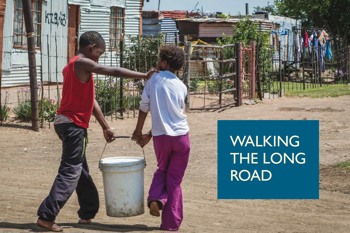
Enhancing the visibility of CSOs and of the EU support to their work in the human rights and social justice sector in South Africa
- 2017 – 2019
- under € 500,000
- South Africa
The overall objective of the assignment was to contribute to an enhanced communication and visibility of civil society organisations that have been supported by the EU in the human rights and social justice sectors in South Africa.
More specifically, the assignment aimed to generate a series of multi-media projects around the CSOs working in the human rights and social justice sectors, in an effort to:
- Enhance the communication around the roles played by CSOs in the field of socio economic rights and the results of their work (vis-à-vis key stakeholders, namely the authorities, but also private donors, the EU and Member States, INGOs and regional and global CS platforms, etc.) and
- Deepen capitalisation efforts by portraying a number of successful projects funded by the EU and illustrating the results achieved so far and the lessons learnt in the Road Map process.
Two key outcomes are expected from the assignment:
- The development of the text, lay-out design and printing of a booklet portraying the work of the key South African CSOs working in the socio economic-sector, as well as case studies.
- The realization of a series of short videos (10 + 1) portraying and assessing (with a special focus on the results achieved so far and lessons learnt) a number of interesting Civil Society projects funded by the EU under the SEJA programme/case studies in the human rights and social justice sector
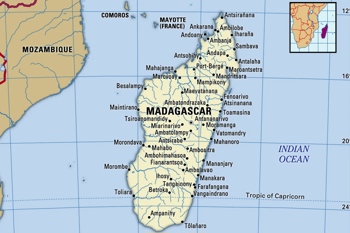
Technical assistance to improve the effectiveness of the strategic partnership with civil society organizations and private sector professional organizations in Madagascar
- 2017 – 2019
- under € 500,000
- Madagascar
The specific objective of the mission was to improve the effectiveness of the strategic partnership of the Delegation of the European Union, in connection with the Office of support to the National Authorizing Officer (NAO), with civil society organizations and professional organizations in the private sector in Madagascar; by offering specific technical support and helping to strengthen the strategic capacities of these organizations in the relevant governance issues related to the EU programmes in Madagascar.
The results achieved were as follows:
1. Strategic dialogue, participation and the role of CSOs and professional organisations in national and local governance were improved and strengthened in the framework of EU actions in Madagascar, in particular:
1.1.The strategic analyses and contributions to reporting on the proposed themes were produced at the request of the European Union Delegation to Madagascar (EUD Madagascar) and on the basis of exchanges with stakeholders (including questionnaires for evaluating cross-cutting issues);
1.2.Four strategic dialogues between the EUD Madagascar and the civil society (including two deconcentrated) were organised (including preparation, reporting and logistical organisation) in connection with the EU's high-level political dialogue. These dialogues were the subject of preparation and restitution sessions with CSOs;
1.3.The report on the implementation of the roadmap to support the civil society 2014-2017 was produced and this roadmap was updated for the period 2018-2021. The implementation of the updated roadmap was monitored (reporting and consultations) and the meetings of the EUD Madagascar - CSO working group, set up in June 2017, were organised. An update of the database of CSOs supported by the EU and the MS was also carried out in connection with the Common Support Fund for Civil Society in 2018.
1.4.Specific contributions at the request of the EUD Madagascar to the monitoring of the implementation and reporting on the Democracy and Human Rights strategy were provided twice a year.
1.5.Support for the setting up of the consortium of professional employers' organisations from the private sector within the framework of the future PADEIR programme grant, in particular support for: the drafting of the statutes, the definition of governance and management structures, internal regulations, the procedures manual. The elaboration and proposal of a coaching/training programme for the capacity building of the professional employers' organizations members of the consortium, in particular on the management of the subsidies envisaged by the PADEIR. This support was carried out in complementarity and synergy with the actions developed by the PROCOM programme (strengthening of intermediary organisations (IOs) and others, support for IO grants);
1.6.Organisation of two dialogue sessions between private sector employer/professional organisations, the EUD Madagascar, the NAO and other stakeholders whose themes were validated in advance by the European Union Delegation;
1.7.Two thematic dialogue sessions between CSOs, the EUD Madagascar and the NAO/Ministry of Finance and Budget were prepared and organised (including post-session follow-up) during the 2017 and 2018 disbursements of State Building Contract 2 budget support 11th EDF;
1.8.Organisation and facilitation of consultations for the monitoring and improvement of civil society strategies for participation in the electoral process in the framework of EU funded projects.
2. The Steering Committee of the Multi-Donor Common Fund to Support Malagasy Civil Society was supported in its consolidation and strategic orientations.
2.1.The capitalisation by the Steering Committee of the modalities developed on the basis of the recommendations of the final evaluation of the Dinika 10th EDF programme became effective and the monitoring and evaluation system was set up;
2.2.The Steering Committee and the future Advisory Committee of the Common Fund were accompanied and supported in their strategic orientations;
2.3.The capacities of civil society representatives in the various bodies of the Common Fund were strengthened, in particular through a coaching programme and the facilitation of concentration workshops between CSOs (six workshops over a period of two years);
2.4.New donors were identified and ways of moving towards an autonomous national mechanism were proposed;
2.5. The monitoring of complementarity/synergy between Common Fund support and other EU support (EDF/budget lines) was carried out, in particular helping to identify the priorities of the 2018 CSOs-LAs call for proposals guidelines.
3. gender equality and women's empowerment in the 11th EDF programmes are now taken into account more and the draft budget lines have been strengthened, in particular in the implementation of GAP II, more specifically :
3.1.The “gender” analysis of the Action Papers and of other programming documents of the EUD Madagascar (including the guidelines for calls for proposals) was produced and contributed to gender mainstreaming;
3.2.Gender checklists and sex-disaggregated and gender-sensitive indicators were produced to improve the management of EU programmes and projects; in future these indicators will also serve to measure the gender impact of these EU-funded programmes and projects;
3.3.Coaching sessions and/or short training sessions were given on request by the EUD Madagascar;
3.4.The monitoring of the GAP II implementation and reporting was supported, particularly the identification of gender equality results achieved by existing programmes and the selection of targets and indicators for programmes and projects that were not included in the GAP 2016 report;

Monitoring of LIFE projects (action grants and operational grants), communication about the LIFE programme and other linked activities.
- 2014 – 2019
- over € 10 million
- EU
LIFE is the main European Commission funding mechanism for improving the state of the environment in the European Union.
Particip GmbH was responsible for the management of the NEEMO EEIG. Particip provided the Administrative Team, the financial management, and one of the two Managing Directors of NEEMO EEIG, and was therefore responsible for ensuring an effective operation of business activities and the compliance with contractual requirements. The overall management tasks included budgeting, accounting and controlling, as well as guaranteeing high team performance and quality assurance.
The general objective of LIFE is to contribute to the implementation, updating and development of EU environmental and climate policy and legislation by co-financing projects with European added value. The general objectives of LIFE shall be pursued through two sub-programmes:
- Environment consisting of three strands; nature and biodiversity, environment and resource efficiency, governance and information
- Climate Action consisting of three strands; climate change mitigation, climate change adaptation, governance and information
The general objectives of LIFE are:
- to contribute to the shift towards a resource-efficient, low-carbon and climate resilient economy, to the protection and improvement of the quality of the environment and to halting and reversing biodiversity loss, including the support of the Natura 2000 network and tackling the degradation of ecosystems;
- to improve the development, implementation and enforcement of Union environmental and climate change policy and legislation, and to act as a catalyst for, and promote, the integration and mainstreaming of environmental and climate objectives into other Union policies and public and private sector practice, including by increasing the public and private sector’s capacity;
- to support better environmental and climate governance at all levels, including better involvement of civil society, NGOs and local actors;
- to support the implementation of the 7th Environment Action Programme.
The NEEMO EEIG provided more than 170 long-term experts specialised in monitoring and evaluation, in communication activities and in thematic fields related to EU environmental policy. The experts monitored more than 1000 projects that are financed via the LIFE instrument.

Technical Assistance for the Implementation of the Justice, Security, Accountability and Transparency (JSAT) Project
- 2014 – 2019
- € 1 – 2 million
- Jamaica
The Justice, Security, Accountability & Transparency Project (JSAT) is valued at 12.6 million EUR and was funded by the EU under the 10th European Development Fund (EDF). The JSAT was implemented jointly by two Ministries (Ministry of National Security and Ministry of Justice), the Independent Commission of Investigations (INDECOM) and Civil Society Organizations. The overall objective of the JSAT was to improve the standard of living and quality of life of Jamaican citizens by strengthening governance and oversight, with particular regard to the functioning of the security and justice systems. The purpose of the Technical Assistance (TA) was to provide project management support and build the capacity of the Ministries of National Security and Justice, and to support INDECOM to ensure the efficient implementation of the JSAT Project.
The project encompassed four components:
Component 1) Strengthening the capacity, forensic capability and oversight within the security sector thereby improving respect for the rule of law and human rights principles.
- Capacity building and training at the Single Training Academy
- Rehabilitation and equipping of classrooms and dormitories at the Single Training Academy and supply of software and training
- Supply of Equipment and training at the Forensic laboratory to facilitate the identification of drugs and other substances
- Construction of annex to the Forensic Laboratory and provision of retrieval system and software to facilitate security of exhibits and easy retrieval.
- Capacity Building and provision of equipment to the Independent Commission for Investigations (INDECOM)
Component 2) Improved networking and data-sharing capability and strengthened professional capacity of key entities to investigate and present for prosecution, cases of corruption, money laundering and organised crime.
- Technical assistance and capacity building to support the establishment of the Single Anti-Corruption Agency
- Supply of Equipment, Technology and Training to select Law Enforcement Agencies to improve capacity and encourage coherence between operations.
- Technical assistance to document protocols within law enforcement agencies
- Refurbishing and fitting of interview rooms at select law enforcement agencies
Component 3) Improved capability of the justice system to ensure timely treatment and disposal of cases
- Review and streamline the administrative processes underpinning the Case Management System (CMS) in the Justice Sector and implement CMS in select courts
- Rehabilitate and equip select courts with new technology to facilitate video evidence and electronic recording of evidence
Component 4) Civil society organisations (CSOs) empowered to fulfil their monitoring, advocacy and public education functions.
- At least 2 Calls for Proposals with grants awarded to civil society organisations
The activities under each component were implemented using a tendering / procurement procedure following the guidelines for Programme Estimates.
The implementation of all sub-activities under components 1-3 required an invitation to tender procedure. The overall number of tenders launched was forty (40). All types of procurement (Service, Supplies and Work), all types of EU procedures (Single tender, Competitive negotiated, Local and International open) were used for the various types of JSAT activities: training, forensic equipment, IT equipment, furnishing, sophisticated software, rehabilitation and construction works, social studies, communication & visibility studies, etc.