
Our projects
Explore Particip’s project experience across countries, sectors and areas of expertise.
Our references provide an overview of completed and ongoing assignments, including their objectives, geographic scope, duration and contract value.
Showing 131–140 of 796 references
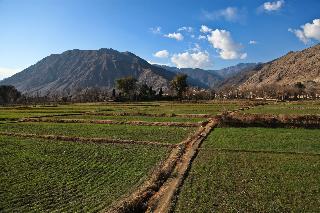
Post-Distribution Monitoring of Winter and Earthquake Injured Response 2025 in Kunar Province
- 2026 – 2026
- under € 500,000
- Afghanistan
The assignment consisted of conducting a Post-Distribution Monitoring (PDM) exercise to assess the effectiveness, efficiency and child-focused outcomes of UNICEF’s winterisation and earthquake-injured cash assistance in Kunar Province.
The PDM verified the timely and complete receipt of cash transfers and assessed whether the assistance supported access to essential winter items, basic needs and costs related to earthquake injuries, while enabling households to avoid negative coping strategies. It also assessed the safety, accessibility, equity and accountability of the delivery process in line with UNICEF safeguarding and Age, Gender and Diversity (AGD) standards. Findings supported programme adjustments and strengthened future winterisation and shock-responsive cash interventions.
The monitoring covered districts across Kunar Province where UNICEF supported approximately 5,340 winter- and earthquake-affected households, including 1,049 households with earthquake-injured members identified through health facilities and community-based referral mechanisms.
The assignment applied a ++mixed-methods approach++, combining representative household surveys with ++Focus Group Discussions (FGDs)++, using separate sampling approaches for the winterisation and earthquake-injured responses. Data was collected through Kobo or InForm-based tools using a hybrid approach, with approximately 70% face-to-face and 30% telephone interviews, ensuring disaggregation by age, gender and disability (AGD).
Key activities included:
- ++Planning and inception++, including methodology development, sampling design, tool preparation and staff training.
- ++Quantitative and qualitative data collection++, including household surveys and FGDs with beneficiaries and vulnerable groups.
- ++Data quality assurance, analysis and reporting++, including validation of datasets, preparation of PDM reports and presentation of findings to UNICEF.
- ++Ethical and safeguarding measures++, ensuring confidentiality, informed participation, inclusion and compliance with UNICEF protection standards.
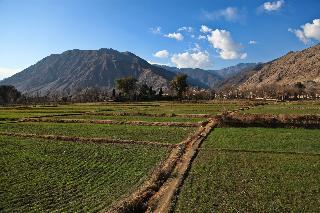
Post-Distribution Monitoring of the Winter Response 2025 in Samangan Province
- 2026 – 2026
- under € 500,000
- Afghanistan
The assignment involved UNICEF providing a one-off winterisation cash assistance of USD 200 (AFN 13,140) to approximately 1,000 vulnerable households across five districts of Samangan Province to address essential heating and cold-weather needs and protect children from illness, malnutrition and harmful coping strategies.
Particip was responsible for conducting an independent ++Post-Distribution Monitoring (PDM)++ exercise to assess the effectiveness, efficiency, accessibility, safety and child-focused outcomes of the assistance. The PDM verified timely receipt and use of cash transfers, access to essential winter items, households’ ability to cope with winter conditions without resorting to negative strategies, and beneficiaries’ perceptions of the assistance delivery process.
The assignment applied a ++mixed-methods approach++ combining representative household surveys with ++Focus Group Discussions++, with approximately 70% of interviews conducted face-to-face and 30% by telephone, while applying an ++Age, Gender and Diversity (AGD)++ lens. Particip’s tasks covered mission planning and inception, staff training and tool testing, quantitative and qualitative data collection, quality assurance, data management, analysis and reporting, in line with UNICEF safeguarding, confidentiality and Do No Harm standards.
Particip was responsible for the following activities:
++Planning for Post-Distribution Monitoring:++
- Authorisations and Preparatory Actions
- Planning and Inception
- Training of Staff
- Field Tool Testing
++Implementation of the Post-Distribution Monitoring Survey:++
- Quantitative Data Collection
- Focus Group Discussions (FGDs)
++Data Management:++
- Data Quality Assurance and Validation
- Data Ownership, Storage, and Archiving
++Reporting:++
- Data Validation and Dataset Finalisation
- Data Analysis and Draft PDM Reporting
- Reporting Standards and Content Requirements
++Ethical Considerations:++
- Informed Participation and Transparency
- Confidentiality and Data Protection
- Safeguarding and Do No Harm
- Age, Gender and Diversity (AGD) Sensitivity
Framework contract EVA 2020 - Strategic Evaluations of the European Union External Action
- 2020 – 2026
- over € 10 million
- Global
The framework contract EVA 2020 – Strategic evaluations supported the European Commission services in conducting complex, external, and evidence-based evaluations of EU external action in partner countries, regions worldwide, and globally.
Strategic evaluations encompassed various scopes, including:
- Country or Regional evaluations
- Thematic and Sectoral evaluations
- Evaluations of EU external financing instruments
Budget support evaluations
- Evaluations of implementing modalities (e.g. blending, guarantee funds)
These evaluations are considered complex because they comprehensively analyse EU policies, strategies, and actions from design to implementation, assessing the combined results of both spending activities (such as a portfolio of interventions (projects and programmes) and non-spending activities (such as policy dialogues) over a significant period, typically at least four years.
Evaluations were carried out through individual assignments defined and contracted through ‘Specific Contracts’. Evaluations implemented by the Particip-led consortium include:
- Evaluation of the EU's support to climate change and environment in Enlargement and Neighbourhood regions (2014-2020)
- Evaluation of the European Union support to Rule of Law and anticorruption in Partner Countries (2010-2021)
- Evaluation of the European Union Support to Sustainable Agri-Food Systems in partner countries (2014-2020)
- Evaluation of the implementation of EU Blending in the EU Neighbourhood and Western Balkans regions in (2015-2021)
- Evaluation of the European Union Bêkou Trust Fund (2014-2023)
- Evaluation of EU support to connectivity in the enlargement and neighbourhood regions (2014-2022)
- Mid-term evaluation of the implementation of the EU Gender Action Plan III (2021-2025)
- Evaluation of EU support to youth in the Enlargement and Neighbourhood regions (2014-2021)
- Evaluation of the EU external financing instruments for the 2014-2020 and 2021-2027 multiannual financial frameworks
- Evaluation of the EU support to migration (Western Balkans only)
- Evaluation of EU support to IPA Roma inclusion projects (2016-2023)
- Global case study on the large ocean and Small Island Developing States (SIDS) group of countries in support of the strategic joint evaluation of the collective international development and humanitarian assistance response to the Covid-19 pandemic
- Evaluation of European Union's Cooperation with North Macedonia (2014-2020)
- Evaluation of the European Union’s cooperation with Tajikistan (2014-2020)
- Evaluation of EU's Cooperation with Georgia (2014-2020)
- Evaluation of the European Union cooperation with the Federal Republic of Somalia (2014-2021)
- Evaluation of European Union's Cooperation with Papua New Guinea (2014-2021)
- Evaluation of the EU cooperation with Ukraine (2014-2020)
- Evaluation of Budget Support in Albania (2014-2020)
- Evaluation of the European Union cooperation with Federal Democratic Republic of Nepal (2014-2021)
- Evaluation of the EU Budget Support Operations in Jamaica (2008-2021)

Evaluation of the EU support to migration (Western Balkans only)
- 2024 – 2026
- under € 500,000
- Western Balkans
The primary objective of this assignment was to provide the relevant EU services and the wider public with an independent assessment on the extent and manner in which the EU’s cooperation, particularly through the Commission, with pre-accession candidates in the Western Balkans has contributed to their alignment with EU standards under Chapter 24 of the acquis, as well as with the EU Pact on Migration, covering the period from 2018 to 2023.
In particular, this evaluation aimed to:
- to assess the EU's support on migration management, border control and asylum, through the IPA instrument, particularly its efficiency, effectiveness, sustainability, impact and added value.
- to assess the EU cooperation potential and the EU added value.
- to provide conclusions based on objective, credible, reliable, and valid data.
- to identify key lessons, best practices and to produce recommendations in order to improve the current and future EU strategies, programmes and actions.
Country case studies were conducted in Albania, Bosnia and Herzegovina, Kosovo, Montenegro, North Macedonia, and Serbia.
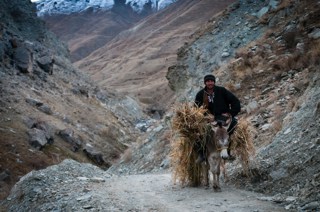
Evaluation of the WFP Tajikistan Country Strategic Plan 2023-2026
- 2025 – 2026
- under € 500,000
- Tajikistan
This independant evaluation of WFP Country Strategic Plan (CSP) in Tajikistan assesses the strategic positionning, added-value and results of WFP operations in the Country from 2021 to 2025.
The evaluation serves the double purpose of accountability (performance and result assessment) and learning (why certain results occurred or not, lessons and evidence for decision-making). It is envisioned that the evaluation will inform the design of the new CSP for Tajikistan, which is scheduled for Executive Board consideration in November 2026.
CSP key sectors and activities include:
- Emergency preparedness
- School feeding
- Malnutrition prevention and treatment
- Livelihoods activities, asset creation and climate change adaptation
- Social protection
- Institutional capacity strengthening
Cross-cutting themes included: Gender equality and empowerment of women (GEEW), accountability to affected populations (AAP), WFP partnership strategy
The evaluation employs a mixed-method approach that triangulates qualitative and quantitative data from a variety of sources. For this purpose, the evaluation team is conducting interviews with different stakeholders including WFP staff at HQ, regional and country level, WFP cooperating partners, donors, UN agencies, government entities as well as focus group discussions with the beneficiaries.

Joint Efforts for a Green Future: Evaluation on Finland's Development Cooperation in Environment and Sustainable Use of Natural Resources and Private Sector Opportunities
- 2024 – 2026
- under € 500,000
- Global
This evaluation aims to provide the Ministry for Foreign Affairs (MFA) of Finland and its stakeholders with an in-depth understanding of the achievements, merits, and value of implementing the policy priority area on sustainable management and use of natural resources. It seeks to deliver evidence-based recommendations to enhance the effectiveness of Finland's engagement with this theme over the long term, while also increasing awareness of results achieved and lessons learned. Additionally, the evaluation will expand knowledge on environment and natural resources-related Sustainable Development Goals (SDGs), with particular attention to SDG 17 on partnerships.
The evaluation encompasses four standalone evaluations on four of the sub-sectors under Finland's ‘Climate and Natural Resources’ policy priority area: i) forests and biodiversity; ii) water resources management; iii) energy, circular economy and critical minerals; and iv) disaster risk reduction (DRR), including meteorology. A synthesis report integrates key findings from the four evaluation reports, explores interlinkages, provides meta-level insights, and identifies concrete opportunities for Finnish private sector engagement. The evaluation also examines digitalisation and data management in forestry sectors in Tanzania and Vietnam, as well as delves deeper into the energy sector in Ukraine.
Objectives:
Assess results, successes, and challenges in achieving the objectives of this policy priority area and its sub-sectors.
Provide a synthesis of outcomes and impacts, including early and emengrgi impacts.
Identify and analyse opportunities for engaging Finnish private sector actors in this work.
Develop practical, evidence-based recommendations for future policy and operational approaches, considering financial and resource constraints. This includes exploring the potential of geospatial data and geo-referencing for monitoring and evaluation purposes.
The evaluation focuses primarily on the OECD DAC criteria of effectiveness and impact, with a particular emphasis on tangible results and signs of impact from both ongoing and completed interventions.
Outsourcing the regular monitoring of projects financed by the EU delegation
- 2019 – 2026
- € 2 – 5 million
- Mali
Relevant Background - The deterioration of the political framework in Mali in the last 5 years is having a great impact both at social and economic level, leading the country in a very difficult situation in terms of health and security. The humanitarian situation in central Mali can be seen mainly as a “protection crisis” with relevant consequences also in other areas such as shelter, nutrition, food security, health, education as well as water, hygiene and sanitation. Despite the risk, the Technical and Financial Partners remain present and active. Safety is therefore is a key issue in the implementation of this project, for which access to many dangerous areas is essential. The European Union is actively present in the country and supports Mali in several areas, including agriculture, health, environment, culture and in strengthening civil society.
The General Objective of the intervention is to contribute to the effective implementation of the EU funded projects in Mali.
The Specific Objective is to assist the European Delegation in Mali and the EDF National Authorising Officer (NAO) to the regular monitoring of all its current and future projects financed by the European Union through its various financial instruments (EDF, UTF, LB, regional funds, etc.). The projects cover mainly the following sectors: infrastructure (roads, water and sanitation), agriculture and food security, governance, justice and human rights, education, etc. However, the EU also finances projects in other sectors such as security and migration, etc.
The Results to be achieved through the activities carried out during the implementation are:
• Design, set up and constant update of a field mission workplan, issued each three months and approved by the EUD in Mali.
• “Human resources” (experts) identified and mobilized to provide updated and reliable information on the project’s implementation, directly from the field.
• A flexible and continues communication mechanism is put in place to ensure adequate information sharing both with the EUD/EDF NAO and the Consortium partners.
• An updated methodology that ensure the triangulation of the information collected, including several and cross-referenced data acquisition methods: analysis of reporting documents (project reports, evaluation and monitoring reports), direct survey of the project facilities and achievements, sampling if necessary, to measure quality, and interviews with stakeholders.
• Problems and good practices identified to be provided to the EUD and the stakeholders.
• Criteria and sub-questions defined in order to monitor and evaluate the two relevant cross-cutting issues: gender and environment.

Afghanistan Health Survey (AHS)
- 2022 – 2026
- € 5 – 10 million
- Afghanistan
The USAID-funded Assistance for Families & Indigent Afghans to Thrive (AFIAT) project aims to conduct the AHS 2022/2023. The overall purpose of the project is to provide the data needed to assess the performance of Afghanistan's health care system by conducting a household level assessment of key health indicators with a focus on evolving perceptions and socio-cultural norms, with an emphasis on gender and youth, to guide implementation of high impact interventions for reproductive, maternal, newborn, and child health (RMNCH), nutrition, and tuberculosis. The AHS 2022 will help to understand and monitor changes in household and community motivations, attitudes, habits (e.g., health expenditures), and other health information.
The goal of AHS 2022/2023 is to provide national level and provincial level population estimates of various outcome and impact level health indicators based upon the performance of the basic package of health services (BPHS) in both rural and urban areas of the 34 provinces in the following key areas:
Socio-economic and demographic characteristics: Child health and immunization, Maternal and Neonatal health (i.e. ANC, Delivery, PNC, danger signs), Maternal and child mortality and their causes, Nutritional status and behaviors of women and children, Fertility and family planning, including contraceptive prevalence rate and birth spacing, Tuberculosis, Health equity, accessibility, and utilization differences between higher and lower wealth quintiles and urban vs. rural populations, Household level knowledge, motivation, attitudes, behaviors, satisfaction with services and perceptions of the quality of healthcare (including Household expenditures on health services and drugs and other recommended information)
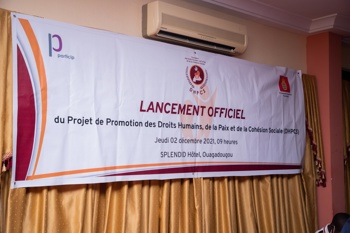
Manager of the CSO Fund 'Promotion of Human Rights, Peace and Social Cohesion 2021-2025'
- 2021 – 2026
- € 2 – 5 million
- Burkina Faso
For many years, the Royal Danish Embassy (RDA) in Ouagadougou has accompanied and strengthened Burkinabe civil society organisations (CSOs) active in the field of democratic governance and the promotion and protection of human rights, which have very often been at the forefront of promoting democratisation and the defence of fundamental rights.
The objective of this project is "a strengthened civil society contributes to the respect of human rights, the prevention of conflicts and the preservation of social cohesion". Three outputs are expected:
- output 1: Human rights are promoted, particularly among women, youth and marginalised groups - including Internally Displaced Persons (IDPs) - and better respected throughout the country;
- output 2: Preservation of social cohesion, resilience against violent extremism and peace-building are strengthened, particularly with the participation of women and youth;
- output 3: The strengthening of CSO’ capacities favours better quality actions on the ground, allowing for greater access to rights and increased dialogue with the government.
In a highly deteriorated context (deterioration of security, expansion of terrorism, social contestation, threats to freedom of expression), Burkina Faso needs stronger CSOs. The project, through the Technical Assistance Unit, will contribute to capacity building in strategic planning, management, monitoring and evaluation and capitalisation, which will lead to better quality actions on the ground, allowing for greater access to rights and increased dialogue with the Government.
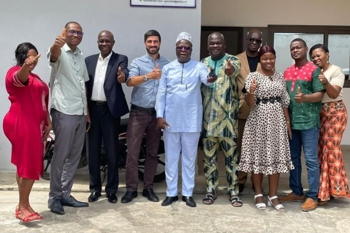
Mandate of operator for the general coordination and technical assistance to the partners of the AGORA Programme, Phase 1: 01.06.2022-31.05.2026
- 2022 – 2026
- € 2 – 5 million
- Benin
The Programme of Support to Local Governance and the Strengthening of Territorial Attractiveness
Attractiveness (AGORA) aims to ensure that women, men, youth and children have access to quality basic public services in attractive and secure territories that offer a sustainable environment, through the creation of conditions conducive to local economic development.
++Specific outcomes:++
- Outcome 1: The municipalities have strengthened competencies in production engineering and delivery of quality and equitable basic public services, in a sustainable, attractive, secure and cross-border cooperation environment.
- Outcome 2: The territorial areas have framework conditions that are attractive to economic actors and favourable to local development.
- Outcome 3: The legal, political and institutional environment is favourable to strengthening decentralisation, local governance and regional development
The program will strengthen partners at both the macro and meso levels. These are the ministries in charge of decentralization, the internal affairs, and the environment through their technical structures dealing with the targeted sectors: the National Association of Communes of Benin (ANCB), the Prefectures of Borgou, Alibori, Atacora, and Donga, two (3) regional associations at the heart of the program's implementation, ADéCoB, APlDA, and ACAD, which cover twenty-seven (27) communes. Each of these actors has an annual work plan containing actions related to the objectives of the program.
PARTICIP-REID CARE's mandate specifically revolves around the overall operational and strategic coordination and monitoring of the Program, accompaniment, training and capacity building of the program's actors, and capitalization and management of the Program's knowledge.