
Our projects
Explore Particip’s project experience across countries, sectors and areas of expertise.
Our references provide an overview of completed and ongoing assignments, including their objectives, geographic scope, duration and contract value.
Showing 41–50 of 980 references
Framework Contract Services for the Implementation of External Aid (FWC SEA 2023), Lot 9: Democracy, Human Rights, Rule of Law, Gender Equality and Human Rights Based Approach (HRBA)
- 2024 – 2028
- over € 10 million
- Global
The objective of the FWC is to provide, via individual assignments defined and contracted through Specific Contracts, expertise which can be mobilised at short notice. The quality of the services, which may make use of expertise either internal or external to the Framework Contractor, must be guaranteed by the Framework Contractor who will provide the appropriate internal technical skills and resources.
The FWC has no funds on its own. The main instrument within external action is the Neighbourhood, Development and International Cooperation Instrument - Global Europe (NDICI-Global Europe).
The implementation duration (not exceeding 48 months) and the contractual amount (not exceeding € 1,999,999) are fixed for each individual assignment.
The thematic division is articulated according to the priority areas of the EU International Partnerships and Lot 9 focuses on the following sectors:
- Human Rights Based Approach (HRBA)
- Human Rights
- Support to democratisation
- Reinforcement of the rule of law and administration of justice
- Public administration reform and organisational development of public institutions
- Elections
- Gender equality and women’s empowerment
Technical Assistance to support the Malawi Youth Sounding Board (2025-2027)
- 2026 – 2028
- under € 500,000
- Malawi
The project “Technical Assistance to support the Malawi Youth Sounding Board (2025–2027)” contributes to the European Union’s commitment to promoting inclusive governance, youth participation, and responsive policymaking in Malawi. It is implemented in the context of a youthful population facing persistent challenges related to unemployment, socio-economic exclusion, and limited participation in decision-making processes, while at the same time representing a key asset for the country’s long-term development.
Overall Objective:
The overall objective of the project is to empower Malawian youth by actively involving them in the shaping, monitoring, and dissemination of European Union initiatives, ensuring that EU actions in Malawi are inclusive, relevant, and aligned with the aspirations and needs of young people, particularly those who are most vulnerable. By strengthening youth participation, the project supports the EU Youth Strategy and contributes to democratic governance, social inclusion, and sustainable development in Malawi.
Specific Objective
The specific objective of the project is to provide comprehensive technical, administrative, and communication support to the Malawi Youth Sounding Board (MW-YSB), enabling it to efficiently and effectively implement its mandate as an advisory and consultative body to the EU Delegation in Malawi.
Project Description
To achieve these objectives, the Technical Assistance supports the day-to-day functioning and strategic positioning of the Malawi Youth Sounding Board. It facilitates regular and structured dialogue between the EU Delegation and Youth Sounding Board members, ensuring that youth perspectives are systematically integrated into EU programmes, policies, and initiatives. The project also supports the organisation and coordination of Youth Sounding Board participation in EU events, programme activities, and exchanges with national, regional, and international stakeholders.
A strong emphasis is placed on capacity building and skills development. The project designs and delivers demand-driven training activities tailored to the needs of Youth Sounding Board members, equipping them with the knowledge and competencies required to engage meaningfully in policy dialogue, advocacy, monitoring, and communication. In parallel, the project strengthens linkages between the Youth Sounding Board and existing youth networks, civil society organisations, and institutions across Malawi, thereby reinforcing outreach, inclusiveness, and representativeness.
The Technical Assistance further develops monitoring and feedback mechanisms that allow young people to collect, analyse, and synthesise youth perspectives on EU-supported initiatives. These insights are consolidated into regular reports that inform the EU Delegation’s programming and implementation processes. In addition, the project supports the development and implementation of a communication and visibility strategy aligned with the EU Delegation’s Strategic Communication framework, enhancing the visibility of youth engagement and EU actions among Malawian youth.
Finally, the project contributes to the sustainability of youth engagement by supporting the establishment and operationalisation of a Youth Sounding Board Alumni Network, ensuring continuity, institutional memory, and long-term impact beyond individual mandates. Through these combined actions, the project strengthens the role of Malawian youth as active partners in EU cooperation and national development processes.
GLOBAL GATEWAY AWARENESS RAISING
- 2024 – 2027
- € 500,000 – 1 million
- Djibouti
The aim is to reinforce the positive perception of the EU beyond its status as the largest donor (in donations), but also as a trusted partner with its partner countries. To achieve this, the DUE wishes to establish a new narrative of the EU in Djibouti as a key player in development and a long-term partner. With the paradigm shift brought about by the arrival of Global Gateway, the way the EU interacts with partner countries has changed. GG has made available innovative financing tools and opportunities, including EFDS+ guarantees. These elements will need to be translated into the new C&V strategy.
Specific objective(s)
1. To increase awareness and understanding of the positive impact of the EU and its member states among young people and other audiences with little knowledge of EU action, particularly in relation to the Global Gateway priorities in Djibouti.
2. Reinforce the visibility of the EU as a key and trusted partner in Djibouti among political decision-makers, the private sector, development players and civil society, by promoting the EU's fundamental values such as human dignity and human rights.
3. Develop and consolidate networks with the media, influencers and opinion leaders to improve the perception of the EU, with a particular focus on young people (15-30) and women to raise awareness of Global Gateway initiatives in Djibouti.
Cross-cutting objectives that should be reflected in C&V messages and activities:
1. Human rights
2. Gender equality
3. Environmental protection and promotion of sustainable, inclusive development
EU for Good Governance technical assistance at central and local level with a focus on Public Administration Reform, Public Finance Management, and Anti-Corruption
- 2023 – 2027
- € 2 – 5 million
- Albania
The purposes of this contract are as follows:
1. Capacity building for policy making and implementation including integrated and efficient planning, budgeting and coordination of policies;
2. Capacity building to better understand and implement public internal financial control policy across all public institutions;
3. Support to improve EU related governance and delivery of public services by central agencies and municipalities;
4. Support to improve participatory governance and civic dialogue, including public consultation;
5. Support to improve transparency and accountability for reform implementation, including through independent institutions.

Monitoring of civil society assistance in the Eastern Partnership region
- 2022 – 2027
- € 2 – 5 million
- Armenia, Azerbaijan, Belarus, Georgia, Moldova, Ukraine
Systematic analysis of the monitoring data should result into recommendations to improve the implementation and design of assistance to civil society and to the EU monitoring to reach the overall objective to contribute to civic resilience and grassroots democracy in the Eastern Partnership. Trainings should be developed and conducted for a sustainable learning experience. The data and analysis should also be presented for communication on the achievements of the civil society assistance and contribute to various reporting exercises.
The outputs of the monitoring on the ground and analysis should enhance the ability of EU project managers to contribute to regular reviews of action progress and operational plans. The concise feedback resulting from the monitoring of an action should allow EU project managers to have more assurance in assessing the content and quality of monitoring reports from CSOs which would allow them to suggest corrective measures or to support efficient and effective implementation. Further to this, the analysis provided should guide future programming
The expected outputs of this contract are as follows:
- Monitoring system of EU-funded civil society projects that will complement existing EU systems of project monitoring maintained and improved;
- Analysis and knowledge sharing products to support decision-making generated and disseminated;
- Capacity of EU project managers, CSOs staff to monitor and implement projects strengthened.
Long Term Arrangement for the Provision of Third-Party Monitoring Services to UNICEF Afghanistan
- 2023 – 2027
- under € 500,000
- Afghanistan
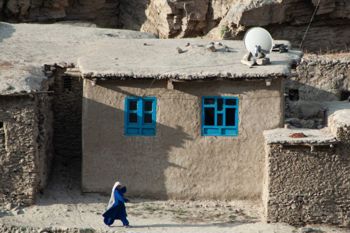
The overall objective of our services is to ensure the highest standards of programme delivery across Afghanistan. Given the unique challenges posed by the country's diverse and hard-to-reach regions, TPM aims to:
- Collect reliable field-level data
- Provide independent verification of programme outcomes
- Identify critical implementation issues
Key tasks TPM undertakes include:
- Training and deploying field monitors as well as ensuring they are equipped with the necessary skills and knowledge to perform their duties effectively
- Ensuring quality assurance
- Implementing supervision and quality checks, including GPS-embedded reports and photos, to validate field monitoring activities
- Submitting detailed monthly reports
By doing so, it is aimed to inform programme planning, improve delivery, and maintain accountability and transparency in all UNICEF initiatives.
Strategic Communication and Public Diplomacy Facility
- 2023 – 2027
- € 2 – 5 million
- Somalia
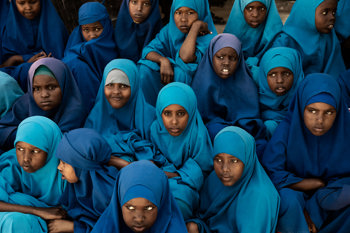
The project aims to promote and strengthen the EU’s engagement and cooperation in Somalia in pursuit of the 2030 Agenda for sustainable development.
The specific objectives are:
- the promotion of understanding and awareness of the EU values, principles, interests and specific policies, including human rights, foreign and security policy, science and research, gender equality, green deal, digitalisation, Team Europe visibility, fight against disinformation, as well its multilateral agenda.
- increasing the profile, awareness, understanding and approval of the EU’s partnership with Somalia, by focusing on and showcasing the comprehensive EU support and development cooperation.
- strengthening networks and long-term relationships with key target audiences and partners (e.g. youth, students, academics, think tanks, CSOs, business, creative industries), including leveraging existing EU programmes, in order to facilitate future cooperation across policy areas.
Implementation of the Strategic Communications Plan of the Delegation of the EU to the Philippines
- 2024 – 2027
- € 2 – 5 million
- Philippines
++Overall Objective++
The overall objective to which this action contributes is:
To enhance the EU's reputation and influence as a strategic and reliable partner to the Philippines,
through more effective communication and visibility of EU's principles and values, external policies
and actions, by implementing the Strategic Communications Plan of the Delegation of the EU to the
Philippines.
++Specific Objective++
The specific objectives (Outcomes) of this contract are as follows:
- Raise Awareness and Understanding on the European Union’s plans, programs, projects, and activities, amongst the general public in the Philippines, to elicit interest and support in its key areas of work on trade, development cooperation, peace and security, human rights, and climate and sustainability and fostering a clearly identifiable brand for the EU in the Philippines, anchored in the concept of partnership and the alignment of strategic interests with those of the Philippines.
- Increase the EU Delegation’s profile with government stakeholders and institutional development partners to effectively champion and deepen the EU’s mutual partnerships with the Philippines.
- Improve the capacity of the EU Delegation to the Philippines to handle its strategic communications (a decision-making structures and teams to handle communications are set up, general awareness of staff about communications objectives and key messages, and improved knowledge of staff on the use of tools relevant to produce photos, to communicate with media, improve engagement and alignment of communications by implementing partners, etc.)
++Results++
- Outcome 1
- Output 1: A social media campaign is designed and implemented.
- Output 2: Graphic design/audiovisual production: Produced relevant and relatable imagery to be used across all communication channels to connect with the audience and convey the EU's brand identity. Ensure the visibility of the EU's brand elements in all communication materials and collaterals of projects programs, and activities supported by the EU by reiterating clear branding guidelines that internal and external partners must follow. Production of collaterals/promotionals for general public, and some specifically for high-level dignitaries. Design and printing of visibility materials.
- Output 3 (also contributes to Outcome 2): Writing/reporting/seeding: Prepare stories to be pitched to the media organizations that illustrate the impact of the EU’s work on individuals, communities, and the country. These stories can help make the EU’s work more relatable and emotionally resonant andwill sometimes include the development of the articles, or the photographs video coverage, or cover mobilisation costs of journalists.
- Output 4 (also contributes to Outcome 2): Event Organizing: Organize national and local events to promote the EU's work in the Philippines in collaboration with existing institutional and development partners. It may include developing project-level IEC activities that may be used to promote the extent of EU’s assistance in a variety of areas to the country.
- Output 5 (also contributes to Outcome 2): Influencer/Key Opinion Leaders Partnerships: Identify and help manage-from a communications perspective-collaborations with influencers (general public) or key opinion leaders (general public + key stakeholders) to create conversations about the EU's priority areas of work. These individuals can help reach new audiences and increase engagement with the EU's content.
- Output 6 (also contributes to Outcome 2): On the basis of the KPIs identified under the Strategic Communications Plan to be provided by the Delegation (the Contractor can propose revisions on the basis of expert advice) set up an ongoing monitoring framework. The monitoring framework will include the monthly revision of performance analytics of social media platforms; regular social listening/social media scans, and two brand perception surveys. Progress against KPIs will be reported monthly.
- Outcome 2:
- Output 1: Developing Thought Leadership through podcasts: Produce podcasts in partnership with Filipino podcast creators that examine and deep dive into issues related to EU policies, plans, programs, (e.g. trade, human rights, development cooperation, sustainability, climate change, gender equality, etc.).
- Output 2: Media Events and Coverage: Organise workshops/lunches, etc. to brief media on the EU and its role in the Philippines, or on newsworthy developments, organise press conferences to talk about pressing issues and topics within the EU’s priority areas of support. Prepare dossiers with relevant data, case studies, or expert opinions to help journalists portray the EU’s activities in a compelling way.
- Outcome 3:
- Output 1: Communications Training: Organise and deliver at least two training workshops for EUD staff - per year (primarily programme managers but also other EUD staff). Training needs will be assessed regularly and the assessment will inform the preparation of the training workshops. The EUD has already pre-identified the following indicative needs: 1) knowledge of the messaging used by the EUD and the need to stay on message; 2) how to define realistic objectives for sector/topic-related communication and visibility activities; 3) drafting of speaking points for public events (preparing speeches, interviews, interaction with journalists/media events); 4) engaging with social media: designing/writing effective posts and analysing impact; 5) use of apps and other tools to produce attractive content; 6) cellphone photography/videography for social media; 7) assessing the communication and visibility plan of programmes and projects; 8) media coaching; 9) understanding the sensitivities associated to visibility and communication work; managing and mitigating risks. The Contractor will also provide on–demand, real time tutoring/advice to EUD staff in preparation to, during, and after field visits, events and outreach activities.
- Output 2: Communications training for grants/projects funded by the EU, and for EU Member States engaged in Team Europe Initiatives: the Contractor will review a representative sample of projects/programmes' communication and visibility plans and conduct up to two training workshops per year for the communication and visibility focal points of EU funded programmes and projects (implementers), to support them in the implementation of quality communication and visibility actions (focus on storytelling, production of quality visuals, putting people at the center, need to mainstream gender in our communications, etc.).; develop synergies amongst programmes and project's visibility and communication actions; ensure coherence with the overarching communication and visibility strategy of the EUD.

Assistance to the Member States for the implementation of EU nature conservation policy and legislation, including the Nature Restoration Regulation
- 2024 – 2027
- € 1 – 2 million
- EU
Providing support to the EU Member States for the implementation of EU nature legislation in the following areas:
- Completing the Natura 2000 network of sites
- Improving the protection, restoration and management of Natura 2000 sites
- Improving the conservation of species and habitats though a more effective integration of their protection requirements into other national sectoral legislation and policies
- Improving the quality and usefulness of reported data under the nature directives (Art.17 Habitats Directive, Art.12 Birds Directive)
- Supporting the development of National Nature Restoration Plans under the Nature Restoration Law, in particular as regards the targets that build upon the Birds and the Habitats Directives
- Sharing successful projects and best practises in areas such as species and habitat protection or recovery, innovative approaches to site management, restoration of habitats and ecosystems, biodiversity monitoring, including in protected areas
The support to Member States shall be given primarily through the organisation of workshops, networking and training events covering the above-mentioned topics.
Policy Dialogue and Public Diplomacy Facility for Hong Kong and Macao
- 2024 – 2027
- € 500,000 – 1 million
- Hong-Kong
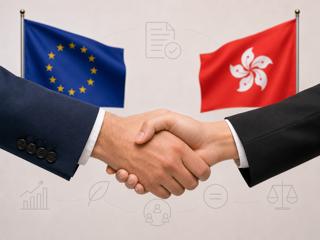
The overall objective (Impact) to which this action contributes is to enable the EU to address short and medium-term foreign policy goals and opportunities, in/with Hong Kong (and Macao) by deepening EU relations and dialogues, and by forging alliances and partnerships, through enhanced engagement.
The specific objectives (Outcomes) of this contract are as follows: Support multi-stakeholder EU-Hong Kong (and Macao) dialogues through further engagement and outreach in key domains for bilateral relations.
The expected outputs of this contract are as follows:
=EU-Hong Kong (and Macao) dialogue and public- and economic-diplomacy outreach supported with the aim to strengthen cross-sectoral engagement with key relevant stakeholders, including through people-to-people engagement, on topics of mutual interest and by identifying areas with potential for further enhancement of bilateral ties.
The foreseen set of activities under the intervention will consist of, but is not necessarily limited to
the following three components:
=++Provision of specialised technical assistance in the key existing and possible new priority
sectors++
=++Organisation of events and exchanges of experiences and best practices++
=++Awareness raising activities in thematic fields of strategic relevance to the partnership
through outreach to potential multipliers++