
Our projects
Explore Particip’s project experience across countries, sectors and areas of expertise.
Our references provide an overview of completed and ongoing assignments, including their objectives, geographic scope, duration and contract value.
Showing 21–30 of 980 references

NDICI Cooperation Facility
- 2024 – 2028
- € 2 – 5 million
- South Africa
++Overall Objective++
The overall objective of the project of which this contract will be a part is as follows: To work with the European Union Delegation in supporting its activities in and with South Africa, including partners such as the Government of South Africa, civil society and the private sector to support objectives outlined in the country’s National Development Plan, the implementation of the EU-SA MIP 2021-2027, Global Gateway and other mutual relevant priorities between South Africa, the European Union and its Member States.
++Specific Objective++
To establish a Programme Management Unit (PMU) composed of a Team Leader, for the duration of the contract. The PMU will pursue the overall and specific objectives directly and through the deployment of short-term experts to provide technical support for the development, design implementation and monitoring of the Delegation’s projects, programmes, ambitions and activities. The PMU shall do so through a needs-based approach, flexible in order to capture the Delegation’s evolving needs as they arise within the scope of the deliverables outlined in this TOR.
- Support the identification, formulation, implementation, audit and evaluation of actions under the MIP (through the deployment of experts, studies, research) or under other financial instruments implemented by the EU Delegation in South Africa; as well as assist Government, civil society, private sector and the Delegation in the implementation of EU funded interventions and ambitions;
- Facilitate and improve capacity for the EU-South Africa partnership, through training support, conferences and seminars, capacity-development, consultations, research and via dissemination of results achieved, as well as awareness-raising and visibility at local, regional and international levels.
- Ensure that cross-cutting issues in EU’s international cooperation and policies (as per the MIP 2021-2027), namely gender equality and women's empowerment, human rights and democracy, culture, environment and climate change, good governance, regional or continental integration, among others are adequately addressed
++OUTPUTS++
- The establishment of a Programme Management Unit (PMU) for the duration of the contract.
- Through the deployment of short-term experts, studies and research provide technical support for the identification, formulation, implementation, audit and evaluation of actions in support of the Delegation’s priorities in a flexible manner.
- Through the successful dissemination of results to a broader public to highlight the SA-EU partnership.
++Non-key expert engagements++
Support Facility on the Implementation of country allocations of the Human Rights and Democracy Thematic Programme
- 2026 – 2028
- under € 500,000
- Global
Project overview:
This project supports the European Union in the implementation of country allocations under the Human Rights and Democracy Thematic Programme, financed through NDICI – Global Europe. The assignment establishes a flexible support facility to assist DG INTPA, EU Delegations, and, where relevant, programme beneficiaries in the effective implementation, monitoring, and reporting of EU-funded actions promoting human rights, democracy, the rule of law, and support to civil society in partner countries.
The Human Rights and Democracy Thematic Programme is one of the EU’s key instruments for promoting and protecting universal values worldwide. A significant share of the programme envelope is implemented directly by EU Delegations through country allocations, mainly via grants awarded through Calls for Proposals. These allocations are intended to respond to country-specific human rights and democracy challenges, support local civil society, and ensure that actions are closely aligned with the needs of rights-holders and local actors.
The project therefore provides technical and operational support across the full implementation cycle of the programme. This includes the assessment of proposals submitted under EU Calls for Proposals, capacity-building and information sessions for EU staff, civil society organisations, and beneficiaries, quality checks of project data and results encoded in OPSYS, and ad hoc studies, analyses, or evaluations related to programme implementation and monitoring. The assignment is mainly home-based, with possible field missions for trainings, capacity-building activities, or specific studies.
General objective:
The general objective of the project is to enhance the implementation of EU actions promoting and protecting human rights and democracy in partner countries under the NDICI Human Rights and Democracy Thematic Programme.
Specific objectives:
The specific objectives of the project are to:
- Provide technical support to EU staff and beneficiaries in the implementation of the Human Rights and Democracy Thematic Programme.
- Support the assessment of proposals received under Calls for Proposals launched by EU Delegations or DG INTPA Headquarters, including the evaluation of concept notes and full applications through PROSPECT.
- Organise and facilitate capacity-building activities, information sessions, consultations, networking events, and related support for EU Delegations, civil society organisations, grant beneficiaries, and other stakeholders.
- Ensure timely and accurate quality checks of Human Rights and Democracy Thematic Programme projects encoded in OPSYS, including the use of appropriate indicators, thematic classifications, and programming priorities.
Produce ad hoc studies, analyses, and evaluations related to the results, monitoring, implementation, and capitalisation of grants and other actions funded under the programme.
- Contribute to the consistent application of the EU’s human rights-based approach, gender mainstreaming, and results-oriented reporting requirements across programme interventions.
Scope of activities
The project covers four main areas of support. First, it provides technical assistance for the assessment of Calls for Proposals. External assessors evaluate concept notes and full applications according to the relevant Guidelines for Grant Applicants and EU evaluation grids. The assessments are carried out using the EU’s PROSPECT system, under the guidance of the Contracting Authority. A Team Leader coordinates the assessment process, ensures that assessors are properly briefed, provides guidance on the interpretation of call documents, performs quality control of draft assessment grids, and supports the preparation of reports on each call.
Second, the project supports the organisation and facilitation of capacity-building activities, information sessions, consultations, and networking events. These activities may target EU Delegation staff, DG INTPA Headquarters, local civil society organisations, future applicants, or grant beneficiaries. Topics may include EU grant management, Commission procedures, Project Cycle Management, the Logical Framework Approach, the design and assessment of grants, and best practices in the implementation of the Human Rights and Democracy Thematic Programme. Activities may be delivered virtually or through field missions.
Third, the project includes quality reviews of project data and results encoded in OPSYS. A Data Analyst reviews the quality and consistency of reporting, including the use of corporate indicators, thematic designations, programming priorities, and other relevant reporting elements. This work supports more accurate corporate reporting and contributes to better monitoring of the results achieved under the programme. The Data Analyst also prepares reports on issues encountered and methodological notes to improve reporting practices.
Fourth, the facility may deliver ad hoc analyses, studies, and evaluations at the request of DG INTPA. These assignments may focus on the implementation and monitoring of the Human Rights and Democracy Thematic Programme, data analysis, results measurement, capitalisation of lessons learned, or thematic and project-level evaluations. Depending on the nature of the request, these activities may be conducted remotely or through field missions.
The project is managed by DG INTPA Unit G1 “Gender Equality, Human Rights and Democratic Governance” and implemented through a team consisting of a Team Leader, Core Expert Assessors, Reserve Expert Assessors, and a Data Analyst and Coordination Support expert. The outputs include proposal assessments, short performance reports after each call-related assignment, a tracking table of requests and working days, training and capacity-building materials, OPSYS quality review reports, methodological notes, interim progress reports, and final reporting. Overall, the project contributes to more coherent, transparent, and high-quality implementation of EU support to human rights, democracy, and civil society worldwide.
Strategic communication EU Burundi
- 2026 – 2028
- € 1 – 2 million
- Burundi
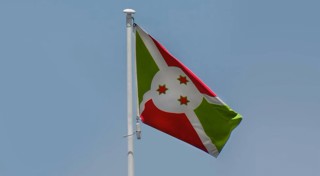
The overall objective (impact) of this contract is to strengthen the image and perception of the European Union in Burundi as a key partner, primarily within the framework of Global Gateway priorities.
More specifically, the objectives are:
- Specific Objective 1: to increase awareness and positive perception of the European Union and its Member States, their partnership and international values among target audiences;
- Specific Objective 2: to strengthen the European Union's profile as a key partner on priority issues for the citizens of Burundi.
The expected deliverables of this contract are as follows:
- Output 1: Public communication campaigns to increase understanding and awareness of the positive impact of the EU-Burundi partnership on the major concerns of the population, particularly those aged 18 to 35, are designed and implemented. The campaigns will seek to show how EU actions contribute to addressing these issues, in particular through the Global Gateway strategy and existing Team Europe initiatives.
- Output 2: Regular monitoring and reporting on the progress and impact of communication campaigns by measuring performance against clearly defined output, outcome and impact indicators, which will enable the design and implementation of a content marketing strategy focused on promoting the key priorities implemented under the development cooperation portfolio, in particular those under the Global Gateway strategy and the two Team Europe Initiatives.

Framework Contract Services for EU’s External Action 2023 (FWC SEA 2023) Lot 2 - Sustainable natural resources management (environment, biodiversity, forests, water and circular economy)
- 2024 – 2028
- over € 10 million
- Global
The objective of the FWC is to provide, via individual assignments defined and contracted through Specific Contracts, expertise which can be mobilised at short notice. The quality of the services, which may make use of expertise either internal or external to the Framework Contractor, must be guaranteed by the Framework Contractor who will provide the appropriate internal technical skills and resources.
The FWC has no funds on its own. The main instrument within external action is the Neighbourhood, Development and International Cooperation Instrument - Global Europe (NDICI-Global Europe).
The implementation duration (not exceeding 48 months) and the contractual amount (not exceeding € 1,999,999) are fixed for each individual assignment.
Lot 2 focuses on the following sectors:
1. Sustainable natural resource management
2. Land management
3. Water management
4. Forest management
5. Waste management
Technical assistance for the support programme for civil society in the Republic of Congo and its contribution to gender equality for inclusive socio-economic development
- 2024 – 2028
- € 500,000 – 1 million
- Congo (Brazzaville)
The general objective of this technical assistance is to promote and facilitate the participation of civil society organisations (CSOs) in general, and women in particular, at all levels of the country's public and socio-economic spheres, through the structural and operational strengthening of Congolese CSOs and those working specifically on the promotion and enhancement of women and young people, including support for the consolidation of women's leadership. The aim is to support and build the capacity of Congolese civil society organisations (CSOs), and of women's and youth organisations in particular, as players in sustainable development and inclusive growth.
SO1: Strengthen the capacities of Congolese civil society, its structuring and networking around existing joint actions financed by the EU, including organisations managed by women and/or working on the promotion and enhancement of women's rights;
SO2: Facilitate the representativeness and contribution to social, economic and political dialogue of organisations, particularly those managed by women and/or working on the promotion and enhancement of women's rights;
SO3: Strengthen the capacity of Congolese civil society organisations, particularly women's organisations, to participate in public debate, and in drawing up and monitoring national policies and socio-economic development programmes;
SO4: To improve knowledge of civil society in general and women's organisations in particular, and the visibility of their actions.
FWK support to Civil Society TCF
- 2025 – 2028
- under € 500,000
- Africa (Southern)
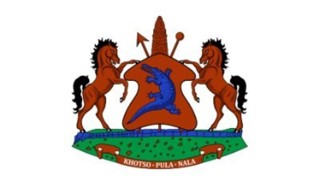
The overall objective of the contract is to enhance the capacity of civil society organisations in Lesotho to act as a link between the State and its society, by promoting and conveying citizens’ participation and engagement in the social and democratic life of the country, and by contributing to decision-making as development actors, including by monitoring policies and holding government accountable.
The contract will support the strengthening of CSOs’ technical skills and capacities to play their role as development actors towards the MIP's priorities and achieving Sustainable Development Goal 16.
The specific objectives are:
- To support CSOs to build sustainable (a) organisational and (b) collective capacity, in terms of: Project management, M&E, financial capacity development, institutional strengthening, mainstreaming of cross-cutting issues, sustainability of results, and in terms of Coalition/networking/collective advocacy strategies, collaboration tools and shared resources, dissemination of best practices and circulation of information.
- To support the implementation of a structured dialogue between civil society organisations and the EU in Lesotho.
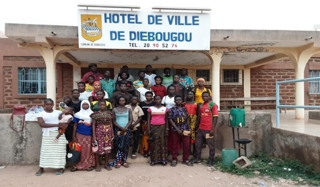
Contribute to the improvement of the institutional, legal and social framework for the protection of vulnerable children and promote the training and empowerment of young people
- 2024 – 2028
- € 1 – 2 million
- Burkina Faso
An evaluation of phase VI of the Children and Youth Fund (FEJ) identified adjustments and recommendations as well as a significant need for a new project.In addition, the consequences of the security situation, threatened social cohesion and rising inflation are crucial issues.These findings have given rise to the present "Children and Youth Fund - Protection of Children and Training of Young People (PEFJ)" project,which aims to protect vulnerable boys and girls and improve the training and economic autonomy of young people. In addition, the new PEFJ project must continue to promote the economic empowerment of women and the educational success of girls by awarding study and vocational training grants.
The ++main objective++ of the project is to help improve the institutional, legal and social framework for the protection of vulnerable children and to promote the training and empowerment of young people.
The ++specific objective++ of the project is to improve the protection of vulnerable girls and boys and the training and economic autonomy of young people. The context of the project is marked by a tense security situation in most regions of Burkina Faso and the displacement of people within the country.
The ++intervention target group++ is the young and vulnerable rural population and their family environment in the intervention zones and, more broadly, the general public in Burkina Faso. However, more attention should be paid to young people and internally displaced children. The same applies to girls, so that they benefit first and foremost from school grants, and so that the interventions enable young people and women to improve their financial independence. On the other hand, young men should preferably be the main beneficiaries of vocational training grants.
Within the framework of the PEFJ, all the ++activities++ are grouped into the following components:
- Component 1: The implementation of communication measures at national and local level to improve the visibility of actions financed by the Children and Youth Fund.
- Component 2: Building and equipping social infrastructure for children and young people (including communal social services)
- Component 3: Promoting vulnerable children and young people, in particular through study grants, vocational training and measures to create income-generating activities (IGAs) for families with vulnerable children and IDP families.
- Component 4: The implementation of support and advisory measures for local authorities, technical services and civil society players in setting up and implementing specific projects carried out under components 2 and 3
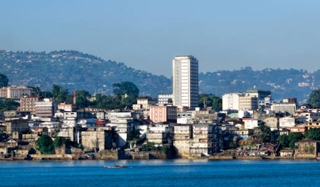
Communication and Visibility for the European Union in Sierra Leone
- 2024 – 2028
- € 2 – 5 million
- Sierra Leone
The ++overall objective++ is to increase the knowledge and understanding of the EU (what the EU is), of EU values, priorities and actions (what the EU stands for), and especially of EU cooperation in Sierra Leone, focusing on the impact of EU support to the benefit of the Sierra Leonean people and presenting the EU as a key partner regarding the consolidation of peace and stability as well as in achieving a sustainable and inclusive development.
The ++specific objectives++ of this contract are the following:
1) Enhanced awareness of EU values, priorities and policies, in particular on peace, sustainable development, social inclusion and protection of the environment.
2) Increased knowledge and understanding of the EU's activities in the areas of: dialogue with Sierra Leonean stakeholders, peace, human rights and democracy, governance, gender equality, development cooperation, multilateralism, trade, investment and culture.
3) The EU's Global Gateway strategy is promoted.
4) The #TeamEurope approach (the joint efforts of the EU and its Member States as partners of Sierra Leone) is strengthened by improved visibility of joint activities.
5) Increased visibility of the EU and its cooperation activities.
6) Increased visibility of the impact of the EU support in Sierra Leone for the Sierra Leonean people.
7) Improved coverage of EU in Sierra Leone both in terms of quantity and quality across print, broadcast and social media.
8) Shifted public perception of the EU from mere provider of development assistance to reliable strategic partner.
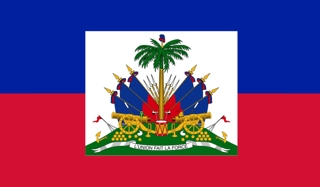
Technical Assistance contract for the PAIESC Programme (Programme d'Appui aux Initiatives Émergentes de la Société Civile)
- 2024 – 2028
- € 1 – 2 million
- Haiti
Haiti is evolving in a context of institutional fragility and unstable democratic governance, aggravated by the assassination of the President in 2021 and an ongoing constitutional crisis. This context of fragility and chronic instability has led to a confusion of roles between civil society and the political class. The decay of the State and the absence of coherent public policies over the long term have forced many CSOs to fill in the gaps (substitution logics) to respond, as best they can, to the needs of the population. In this context, the role of Haitian civil society remains essential, both in advocating for public policies that improve the situation of the population, and in providing basic services and reinforcing community solidarity and a spirit of citizenship.
With PAIESC, the EU is continuing its support to civil society after the 10th and 11th EDF. The programme aims to contribute to the consolidation of democracy and civic culture in Haiti through the growing, inclusive and effective participation of emerging civil society players, particularly young people, in the country's democratic, economic and social development process. It should therefore contribute to strengthening the organisational, technical, advocacy and proposal capacities of civil society players. PAIESC will be implemented through programme estimates.
++General objective++
Contribute to the consolidation of democracy and civic culture in Haiti
++Specific objectives++
- To provide technical assistance for the coordination, planning, implementation, monitoring and reporting of PAIESC, as well as its financial and contractual management.
- Provide the technical assistance and management, support and supervision measures required within the framework of the resources provided for in this contract, to ensure that the Programme Specification and related activities run smoothly, in particular the strengthening of the strategic, institutional and operational capacities of CSOs (in particular, NGOs), institutional and operational capacities of Haitian CSOs (including CBOs and small formal or informal associations in communities) to be responsible, informed and competent partners in economic, political and social life, and to support small communities in tackling structural problems through cascading grants to be awarded under the programme estimate
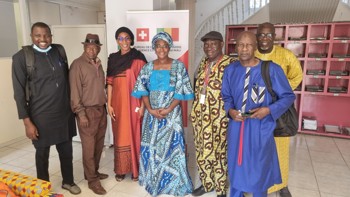
Support Program for the Strengthening of Teacher Training
- 2023 – 2028
- € 5 – 10 million
- Mali
The objective of the Support Programme for the Strengthening of Normal Education (AREN) is to contribute to improving the quality of formal and non-formal education in Mali.
To this end, the mission is to provide technical assistance and capacity building services to the Malian education authorities in order to contribute to a sustainable improvement in the quality of education in Mali, and more generally, to the improvement of the quality of education and the achievement of Sustainable Development Goal 4 (SDG 4).
The mandate has two missions: to implement the 2023-2028 programme in accordance with the logical framework developed and; Secondly, draft the project document that will guide the next phase of the programme, for the period 2029-2033.